Introduction
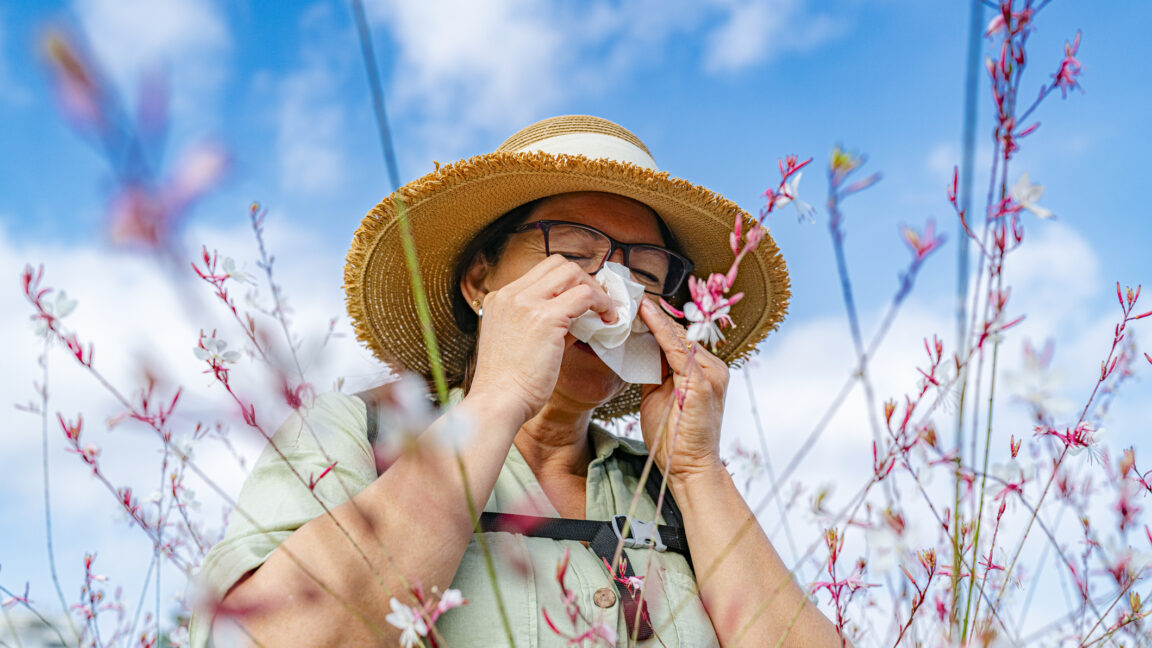
If your seasonal allergies feel worse than ever before, you're not imagining it. Climate change is driving longer, more intense pollen seasons across the Northern Hemisphere. Dr. Neelima Tummala, an ear, nose, and throat specialist at NYU Langone Health, reports that many of her patients say each year their allergies are the worst they've experienced—and scientific evidence backs them up. Approximately 25% of U.S. adults and 1 in 5 children now struggle with seasonal allergies, suffering from sniffles, itchy eyes, asthma flare-ups, and other symptoms that can range from mild irritation to serious medical emergencies. This guide provides practical steps to help you manage your allergies as climate change intensifies pollen seasons.
What You Need
- Allergy medications: Antihistamines, nasal sprays, and eye drops (consult your doctor for the best options)
- HEPA air purifier for your bedroom or main living area
- Pollen forecast app or website (e.g., Pollen.com, Weather.com, or local allergy station)
- Protective gear: Wrap-around sunglasses, hat, and a NIOSH N95 mask for high-pollen days
- Allergen-proof bedding covers for pillows, mattress, and box spring
- Saline nasal rinse kit (Neti pot or squeeze bottle)
- Journal or app to track your symptoms and pollen data
Step-by-Step Guide
Step 1: Understand the Link Between Climate Change and Your Allergies
Knowledge is your first line of defense. Warmer temperatures and increased carbon dioxide levels cause plants to produce more pollen and start releasing it earlier in the spring. This extends the pollen season by weeks—sometimes months—meaning you're exposed for longer periods. Higher pollen counts also make individual plants more potent, triggering stronger allergic reactions. Recognizing this connection helps you take proactive measures instead of waiting for symptoms to appear.
Step 2: Monitor Daily Pollen Counts and Forecasts
Check local pollen reports every morning using a reliable app or website. Focus on the specific pollens you're sensitive to (tree, grass, or weed pollen). Many services offer a 5-day forecast, allowing you to plan outdoor activities. When counts are high (typically above 90 grains per cubic meter for grass pollen), limit your time outside. Set up notifications that alert you when levels spike, so you can adjust your routine before symptoms begin.
Step 3: Pre‑Treat with Medications Before Peak Seasons
Don't wait until you're coughing and sneezing. Start taking your prescribed or recommended allergy medications two weeks before your local pollen season typically begins. For most spring allergy sufferers, that's early February to March. Use a combination of oral antihistamines (like cetirizine or loratadine), intranasal corticosteroid sprays (such as fluticasone), and antihistamine eye drops. Stick to the regimen consistently, not just when you feel bad—this helps stabilize your immune response and prevent severe symptoms from taking hold.
Step 4: Create a Low‑Allergen Indoor Environment
Your home should be a sanctuary. Keep windows and doors closed during high‑pollen seasons. Run air conditioning with a clean filter or use a HEPA air purifier in the room where you spend the most time. Remove shoes and outer clothing at the door, and shower immediately after returning indoors to wash pollen off your skin and hair. Use allergen‑proof covers on pillows, mattresses, and box springs. Vacuum at least twice a week with a vacuum that has a HEPA filter, and mop hard floors to trap settled pollen. Dry laundry indoors—pollen clings to sheets and clothing left outside.
Step 5: Practice Outdoor Avoidance Strategies
When pollen levels are high, plan outdoor activities for the late afternoon or after a rain shower, since pollen counts are usually lower then. Wear wrap‑around sunglasses and a hat to keep pollen away from your eyes and hair. On extreme days, consider wearing an N95 mask when you go outside—it filters out most pollen grains. Change your clothes as soon as you come indoors, and put them in a sealed bag until you launder them. Keep windows rolled up in the car and use the recirculate air setting. Avoid gardening, mowing, or raking during high‑pollen times, or delegate those tasks to someone else.
Step 6: Seek Professional Help When Symptoms Persist
If over‑the‑counter remedies and lifestyle adjustments aren't enough, consult a board‑certified allergist or an otolaryngologist like Dr. Tummala. A specialist can perform skin or blood tests to identify your exact triggers. They may prescribe stronger medications or recommend allergy immunotherapy (allergy shots or sublingual tablets). Immunotherapy can actually retrain your immune system to tolerate pollen better, offering long‑term relief even as climate change extends pollen seasons. Don't ignore worsening asthma symptoms—they can become serious without proper management.
Tips for Success
- Time your medications wisely: Many antihistamines work best when taken consistently at the same hour each day, ideally 1–2 hours before you expect peak exposure.
- Combine saline rinses with medications: Using a saline nasal rinse once or twice daily helps flush out pollen and mucus, improving the effectiveness of sprays.
- Keep a symptom diary: Record your daily symptoms alongside local pollen counts. Over a season, patterns will emerge that help you anticipate trouble.
- Consider early immunotherapy: Starting allergy shots or sublingual therapy before the pollen season can significantly reduce your reaction severity.
- Stay updated on climate trends: As climate change evolves, so does the pollen season. Revisit your local allergy forecasts each year, because the start date may shift.
- Discuss a rescue plan with your doctor: If you have asthma, know when to use a quick‑relief inhaler and when to seek emergency care. Keep an asthma action plan handy.
Adapting to a shifting climate requires vigilance, but by following these steps you can significantly reduce the burden of seasonal allergies. Start early, stay consistent, and don't hesitate to involve a specialist. Your health is worth the extra effort.