Smartphones have become our primary cameras, but the convenience of capturing high-resolution photos and 4K videos comes at a cost: battery life. Heavy camera usage can drain a phone's battery in minutes, a frustration many users know well. However, a new partnership between Sony and Taiwan Semiconductor Manufacturing Company (TSMC) promises to address this issue by developing next-generation image sensors that are far more power-efficient. This collaboration, confirmed by Sony to include smartphone camera sensors, could mark a turning point for mobile photography and device endurance.
A Strategic Collaboration for Imaging Innovation
In early 2025, Sony and TSMC announced a joint venture focused on the development and manufacturing of next-generation image sensors. While the initial press release did not specify the target devices, Sony later confirmed to Android Authority that smartphone sensors are indeed part of the deal. This is significant because Sony is already the dominant supplier of camera sensors for many flagship phones, including those from Apple, Samsung, and Xiaomi. Now, by partnering with TSMC—the world's leading semiconductor foundry—Sony aims to leverage advanced chip-making processes to create sensors that consume less power without sacrificing image quality.
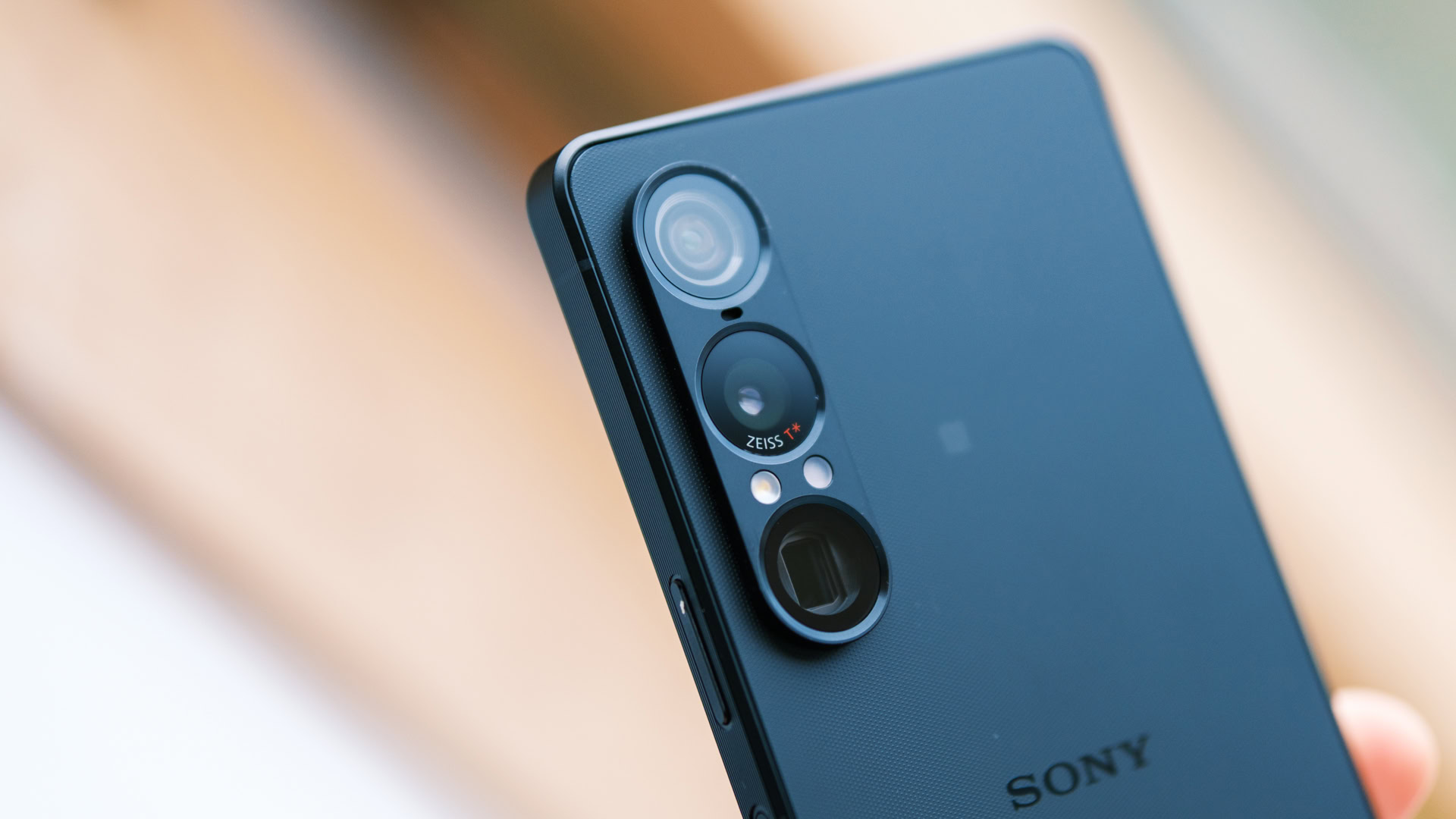
Why Phone Cameras Drain Batteries
To understand the impact of this partnership, it helps to know why camera sensors are such power hogs. A typical smartphone camera sensor operates by converting light into electrical signals, which then undergo analog-to-digital conversion, noise reduction, and processing by the phone's ISP (image signal processor). This process requires significant energy, especially when capturing at high resolutions or frame rates. Additionally, continuous autofocus, image stabilization, and live preview further drain the battery. For example, recording 4K video at 60 fps can consume around 2–3 watts per hour—a substantial portion of a smartphone's 10–15 watt-hour battery.
TSMC's Role in Power-Efficient Sensors
TSMC brings two key advantages to the table: advanced node manufacturing and 3D stacking technology. Current Sony sensors are made on older 65nm or 55nm processes, which are less energy-efficient than the 28nm or even 12nm nodes that TSMC offers for similar components. By moving to a smaller node, the sensor's logic circuitry can operate at lower voltages, reducing power consumption by 20–30%. Even more promising is TSMC's expertise in 3D stacking, where the sensor's pixel array and logic layers are stacked vertically rather than side-by-side. This not only saves space but also shortens signal paths, further lowering energy use.
Expected Benefits for Smartphone Users
The immediate outcome of this partnership will be image sensors that draw less power, which translates into longer battery life during heavy camera use. Sony has hinted at improvements in two specific areas: power efficiency and performance. Users might notice that their phone can shoot 30% more 4K video before needing a recharge, or that the camera app can stay open for hours without overheating. Additionally, lower power consumption could allow manufacturers to include larger sensors or higher megapixel counts without a hit to battery life, making phones even more capable for photography and videography.
Beyond Battery Life: Potential Performance Gains
Efficiency gains also open the door to better performance in low-light conditions and faster autofocus. With a more energy-efficient sensor, phone processors can allocate more power to computational photography features like HDR+, night mode, and real-time bokeh. Some rumors suggest that current ISP-heavy tasks could be offloaded to dedicated AI cores built into the sensor stack, enabling instant adjustments without draining the main SoC. For example, a future sensor might detect a fast-moving subject and trigger burst shooting automatically, all while using less power than today's standard shot.
When Will These Sensors Arrive?
While Sony and TSMC have not released a timeline, industry analysts expect the first fruits of this collaboration to appear in flagship smartphones within 12 to 18 months. That means we could see the next generation of iPhone or Galaxy S models equipped with Sony-TSMC sensors as soon as late 2026 or early 2027. As with any advanced manufacturing, early production runs may be limited, but economies of scale should quickly bring these efficient sensors to mid-range phones as well.
Conclusion
The Sony-TSMC partnership addresses one of the most persistent annoyances in modern smartphone photography: short battery life during camera use. By combining Sony's imaging expertise with TSMC's cutting-edge fabrication, we are on the brink of a new generation of sensors that promise both longer shooting sessions and better image quality. For now, we can only wait and hope that the next phone upgrade comes with a sensor that finally lets us capture every moment without worrying about the battery icon turning red.
— This article explores existing reports and expert commentary to provide a forward-looking perspective on mobile imaging technology.