Introduction
A groundbreaking study conducted by researchers from the University of Oxford and University College London has uncovered a significant yet overlooked factor affecting solar energy production: coal pollution. The research demonstrates that particulate matter and aerosols released from coal burning are substantially reducing the output of photovoltaic (PV) installations. This finding carries profound implications for the global transition to renewable energy, as it highlights an indirect but powerful drag on solar performance caused by the continued use of fossil fuels.

The Study's Key Findings
The collaborative investigation analyzed data from multiple solar farms across different regions, comparing energy yields with local air quality measurements. The results were striking: coal-derived pollution consistently correlates with lower electricity generation from solar panels.
Quantified Impact
According to the study, the presence of high levels of coal-related pollutants can reduce solar panel output by up to 30% on heavily polluted days. Even on average days, the reduction typically ranges between 10% and 20%. These losses occur because airborne particles scatter and absorb incoming sunlight before it reaches the panels, diminishing the light intensity available for conversion into electricity.
Geographic Variation
The effect is not uniform: regions located downwind of major coal-fired power plants experience the most severe losses. In countries like China, India, and parts of Eastern Europe, where coal combustion remains prevalent, the annual energy loss from solar PV due to pollution can exceed 15%. In contrast, areas with stricter emissions controls, such as Western Europe, see smaller but still measurable reductions of 5–10%.
How Coal Pollution Interferes with Solar Panels
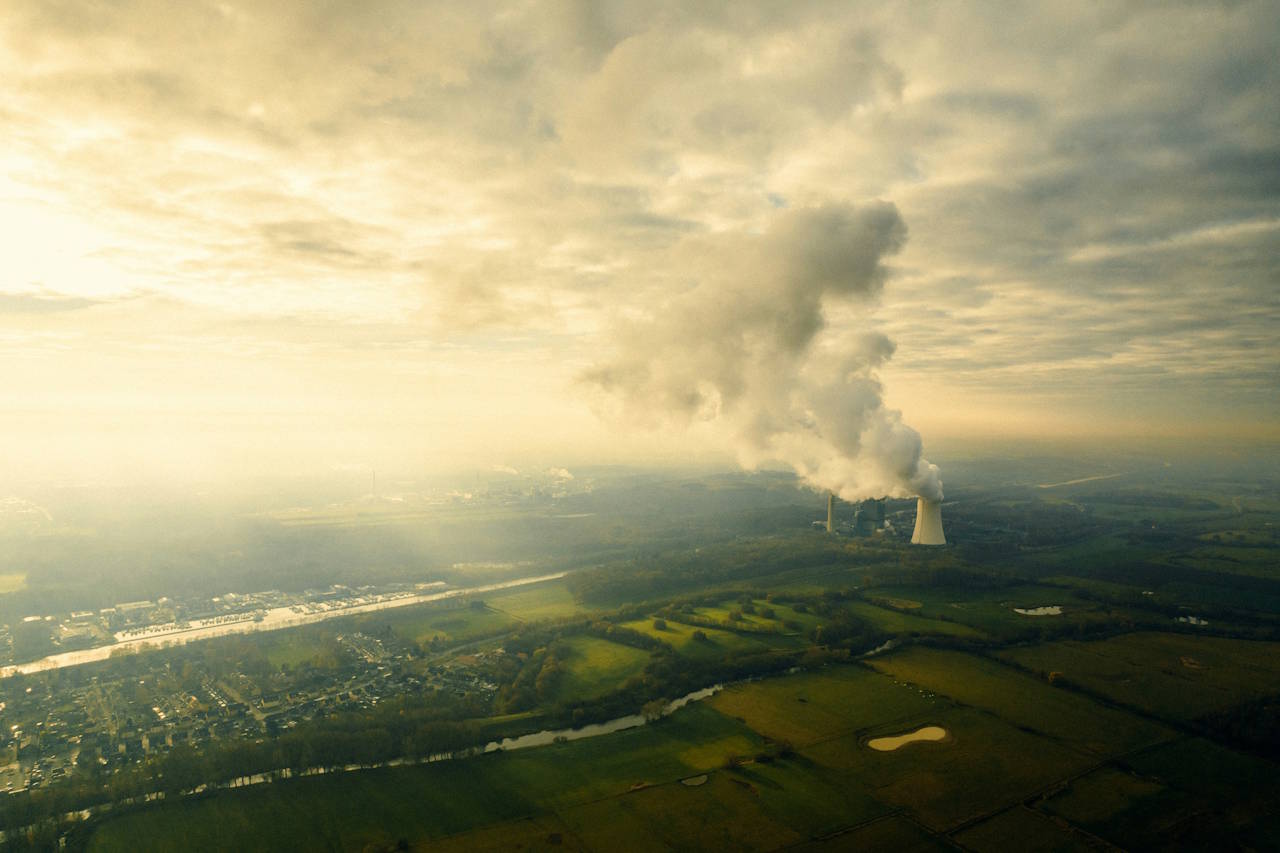
Coal combustion releases a cocktail of pollutants, including sulfate aerosols, black carbon, and fly ash. These fine particles (PM2.5) can remain suspended in the atmosphere for days or even weeks, traveling hundreds of kilometers. When they accumulate above solar installations, they act as a semi-opaque layer, scattering sunlight and reducing the direct and diffuse radiation that panels receive. Additionally, some particles deposit directly onto panel surfaces, further decreasing transmittance. The study emphasizes that even modern, high-efficiency panels are not immune; the primary loss mechanism is atmospheric attenuation rather than soiling.
Implications for Renewable Energy
These findings underscore a paradoxical feedback loop: using coal to generate power undermines the effectiveness of solar energy systems, which are crucial for decarbonizing the grid. As nations invest heavily in solar capacity, the actual output may fall short of projections if air pollution is not addressed. This has several key implications:
- Grid planning: Energy models that ignore pollution effects could overestimate solar contributions, leading to supply shortfalls during high-demand periods.
- Economic viability: Reduced output lowers the return on investment for solar projects, potentially discouraging further deployment in polluted regions.
- Public health co-benefits: Reducing coal pollution would simultaneously improve solar performance and reduce respiratory illnesses, strengthening the case for a rapid coal phase-out.
Mitigation Strategies
The researchers propose several approaches to minimize pollution-induced losses:
- Locational optimization: Siting new solar farms away from coal-heavy corridors can reduce exposure to polluted air.
- Panel cleaning regimens: Frequent washing of panels in polluted areas can recover up to 5% of lost efficiency.
- Emission controls: Installing scrubbers and filters at coal plants, or replacing them with cleaner energy sources, offers the most comprehensive solution.
- Forecasting tools: Incorporating real-time air quality data into solar prediction models helps grid operators anticipate output dips.
Conclusion
This major study by the University of Oxford and University College London provides compelling evidence that coal pollution is a silent saboteur of solar energy. As the world races to scale up renewables, ignoring this effect risks undermining the very transition we seek. The message is clear: cleaning up our air is not just a health or environmental goal—it is an essential step to maximize the potential of solar power. Back to top