UK's Green Climate Fund Pledge Drastically Cut
The United Kingdom has lost its position as the leading contributor to the United Nations' Green Climate Fund (GCF) following a government decision to only partially fulfill its most recent financial commitment. In May, the UK informed the GCF that it would reduce its pledge for the 2024–2027 period to £815 million ($1.1 billion), effectively halving the previous Conservative government's pledge of £1.62 billion ($2.16 billion). That earlier pledge had been heralded as the largest single climate funding commitment in the UK's history and had briefly made the country the top GCF donor after the United States withdrew $4 billion under the Trump administration in 2025.
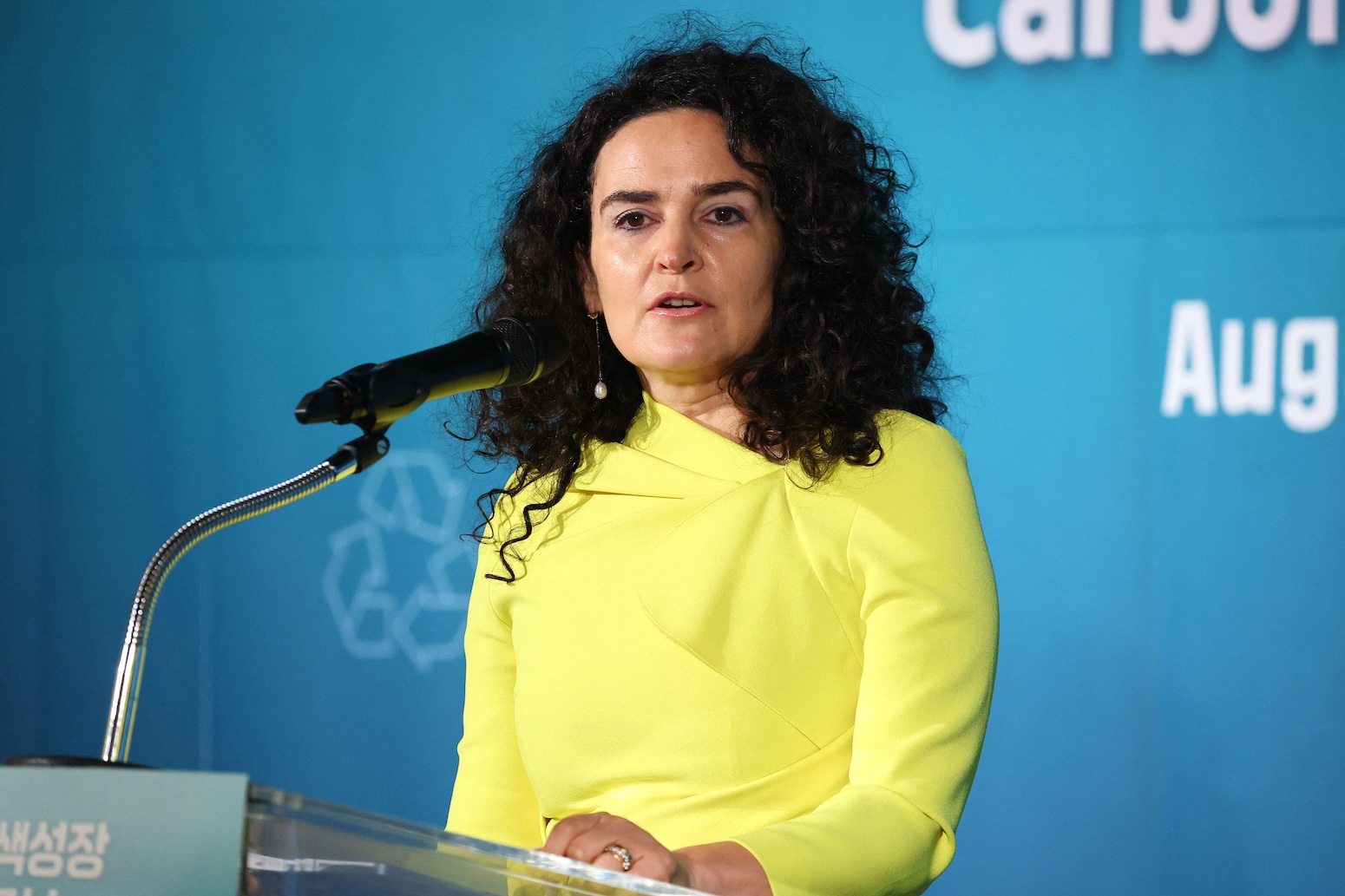
This reduction is part of broader cuts to the UK's climate aid for developing nations. The Labour government's decision means the UK now follows the US as the second major donor to cancel substantial funding, raising concerns among aid experts that other developed countries might follow suit.
Impact on Global Climate Finance and GCF Projects
The GCF is the largest dedicated UN climate fund, overseeing over $20 billion in funding across 354 projects and programs. It is considered a vital mechanism for raising grant-based climate finance for developing countries. Under the Paris Agreement, developed nations like the UK are obligated to provide climate finance, often through specialized funds such as the GCF.
However, progress in increasing GCF contributions between funding rounds has been gradual. The UK's now-revoked £1.62 billion pledge in 2023 had represented an increase from its previous 2019 round contribution. The new reduction means the UK will provide approximately 45% less funding than it did during the 2019 round—the largest percentage reduction between rounds of any major donor except the US.
In an email to the GCF board reported by the Financial Times, the fund's executive director Mafalda Duarte stated that the UK's actions were "expected to have a material impact on the delivery" of the fund's projects. She noted that the move coincided with the UK cutting its overall aid budget to "invest more in addressing growing security threats."
UK Now Below Germany, France, and Japan in GCF Contributions
As shown in the chart below (based on NRDC GCF pledge tracker data), the UK's total past and promised contributions now lag behind those of Germany, France, and Japan. The chart compares pledges from the initial resource mobilization in 2014, the first replenishment in 2019, and the second replenishment in 2023. While the UK's 2023 pledge was initially among the highest, the reduction drops it to a lower rank among top donors.
- Germany has maintained consistent increases across rounds.
- France and Japan have also increased their pledges, though not as dramatically as the UK's now-canceled pledge.
- The United States remains absent after the 2025 withdrawal.
This shift means that the UK is no longer a leading example in climate finance, having moved from a record-high pledge to a significant cut.
Implications for Future Climate Funding and Developing Nations
The reduction comes at a critical time when developing countries urgently need climate finance for adaptation and mitigation. In March, the UK government announced plans to spend "around £6 billion" of its aid budget on climate projects in developing countries over the next three years. However, Carbon Brief analysis indicates this amounts to roughly halving the UK's annual climate finance when adjusted for inflation and previous commitments.
Aid experts worry that the UK's decision could trigger a domino effect, encouraging other developed nations to reduce their own GCF pledges. The fund's ability to support projects—such as renewable energy installations, forest conservation, and climate-resilient infrastructure—may be severely impaired. The UK's move also undermines trust among developing countries, who rely on the GCF as a primary source of grant-based funding.
In summary, the UK's cut from the Green Climate Fund marks a significant shift in global climate finance leadership, raising questions about the reliability of donor commitments and the future of multilateral climate funding.