Introduction
Alzheimer’s disease remains one of the most devastating neurodegenerative conditions, characterized by the buildup of harmful amyloid plaques in the brain. For decades, researchers have sought ways to remove these plaques or prevent their formation. A recent breakthrough suggests a new approach: instead of targeting the plaques directly, scientists have discovered how to boost the brain’s own cellular cleanup crew. By increasing a protein called Sox9, they were able to supercharge astrocytes—star-shaped support cells—to clear toxic debris. In mouse models already showing memory decline, this strategy reduced plaque accumulation and preserved cognitive function over time. This article explores the science behind this discovery, its potential implications, and the next steps toward human therapies.
The Role of Astrocytes in Brain Health
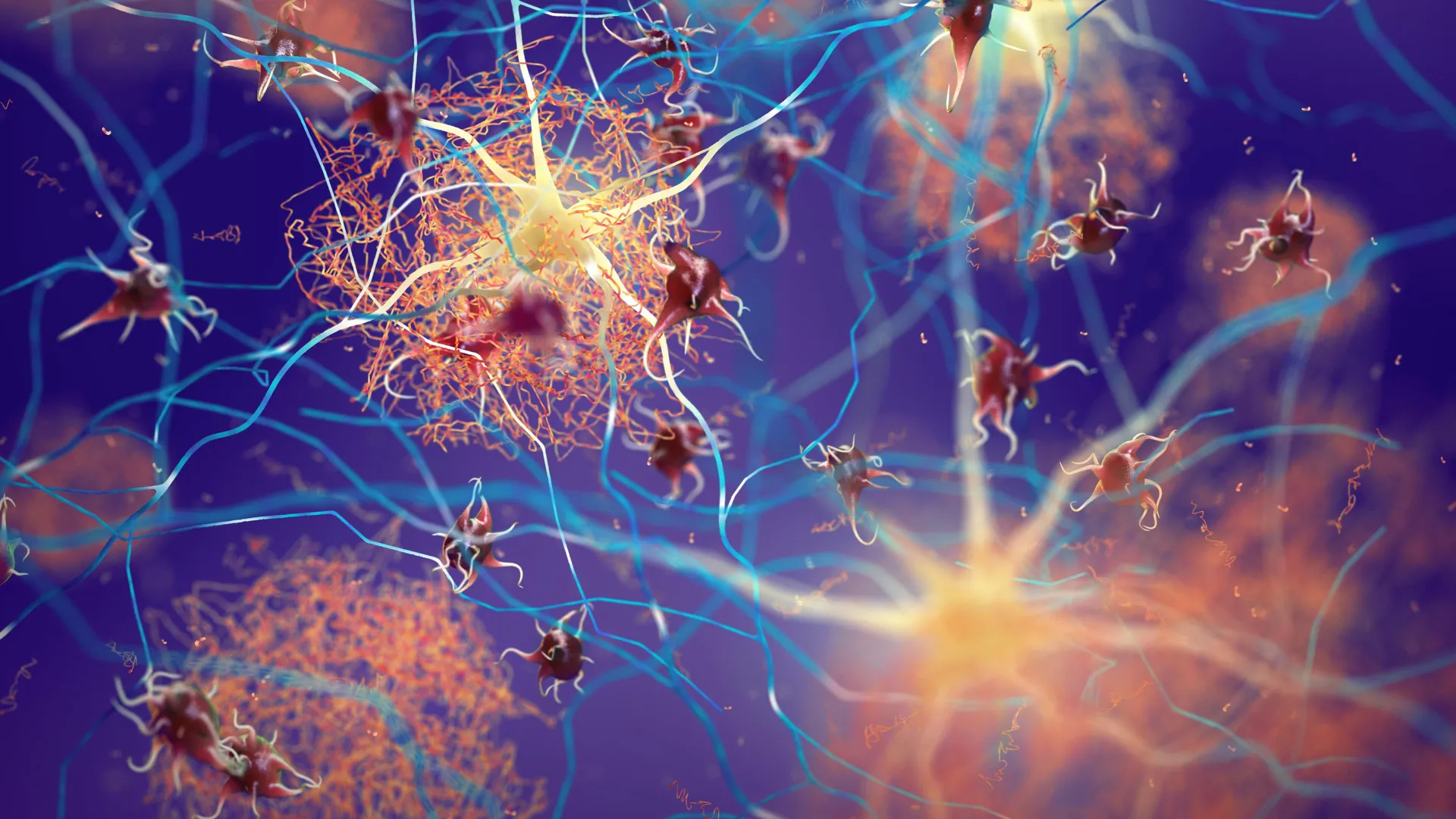
Astrocytes are the most abundant glial cells in the brain and play a critical role in maintaining neural health. They provide structural support, regulate neurotransmitter levels, and help form the blood-brain barrier. But one of their most important jobs is to act as the brain’s janitor—clearing away metabolic waste, damaged cells, and protein aggregates like amyloid plaques. In Alzheimer’s disease, however, astrocytes become less efficient. They may even adopt a harmful, inflammatory state that contributes to neurodegeneration. Finding ways to reboot their cleaning function has become a major research goal.
The Sox9 Discovery: Key Protein for Astrocyte Activation
Scientists have long known that Sox9 is a transcription factor involved in the development and maturation of astrocytes. But its role in the adult brain—especially in disease—was less clear. In the new study, researchers used genetic tools to boost Sox9 levels specifically in astrocytes of mice engineered to develop Alzheimer’s-like plaques. They observed a remarkable transformation: astrocytes shifted from a dormant state into an highly active form, expressing genes associated with phagocytosis (engulfing and digesting debris) and plaque clearance.
What the Mouse Study Showed
The experiments were performed on mice that already exhibited memory problems and significant plaque buildup, mimicking late-stage Alzheimer’s. The team compared two groups: those with normal Sox9 levels and those in which Sox9 was overexpressed. After several weeks, the Sox9-boosted mice had up to 30% fewer amyloid plaques in key brain regions like the hippocampus and cortex. More importantly, their performance in memory tests—such as maze navigation and object recognition—remained stable, while the control mice declined.
Further analysis revealed that the activated astrocytes were not just clearing plaques; they were also reducing neuroinflammation. The Sox9-overexpressing astrocytes produced fewer inflammatory signals and instead released factors that promoted neuronal survival. This dual effect—removing harmful plaques and protecting neurons—could explain why cognitive function was preserved.
From Mice to Humans: Challenges and Promise
While these results are encouraging, translating them to humans faces several hurdles. First, Sox9 is not just active in astrocytes; it plays roles in other tissues, so targeted delivery to the brain is essential. Second, raising Sox9 levels might have unintended effects—for example, causing astrocytes to become overly proliferative or interfere with other cell types. The research team is now developing viral vectors and small-molecule drugs to safely upregulate Sox9 in the human brain. Early-stage clinical trials could be years away, but the concept of boosting the brain’s own crew—rather than relying on antibody drugs that target plaques directly—offers a novel and potentially more sustainable approach.
Implications for Future Alzheimer’s Therapy
Current Alzheimer’s treatments, like lecanemab and aducanumab, work by helping to clear amyloid plaques, but they require regular infusions and can cause side effects like brain swelling. Activating astrocytes through Sox9 could offer a different mechanism: instead of supplying external antibodies, the therapy empowers the brain’s existing cellular machinery. This might lead to fewer side effects and a more natural clearance process. Moreover, because astrocytes also manage other waste products, boosting Sox9 could help with other protein aggregation diseases such as Parkinson’s (alpha-synuclein) or frontotemporal dementia (tau).
Another advantage is the potential for a one-time therapy. If gene therapy can permanently increase Sox9 in astrocytes, it might provide lifelong protection—provided no long-term negative effects emerge. However, safety studies in animals are still ongoing to monitor for any abnormal cell growth or behavioral changes.
Conclusion: A New Frontier in Brain Health
The discovery that boosting Sox9 can rejuvenate astrocytes and help the brain fight Alzheimer’s plaques marks a promising shift in neurodegenerative disease research. Instead of attacking plaques from the outside, scientists are now learning to work with the brain’s internal cleanup system. Although the journey from mouse models to human treatments is long, this approach opens the door to more holistic and potentially safer therapies. As the global population ages, finding ways to preserve cognitive function is more urgent than ever—and the humble astrocyte may hold a key.